Author: Aluminz

  • Zero waste

    Circularity is smart business

    Aluminz is committed to eliminating all aluminum production waste. Every output from our process—metal, salt, oxide—is recovered and returned to industrial use. Nothing is wasted. 

    Our full-loop system achieves this with remarkably little environmental impact. Aluminz carbon emissions are only 0.07 pounds per pound of aluminum—99.6% below that of the global average primary aluminum production, 96% better than the best primary smelter, and 50% lower than secondary aluminum production. We also make full use of technology such as solar and geothermal energy along with hydrogen and biogas capture to maximize the energy efficiency of our plant. 

    This is more than environmental stewardship. It’s industrial modernization. It’s badly needed domestic capacity-building. It’s a blueprint for delivering economic results and competitive advantage for our customers and the entire U.S. aluminum industry.
    •	Over 750,000 tons of salt cake diverted from landfills annually
•	World class aluminum recovery
•	Up to 45,000 MT CO2e reduction

    A difficult problem. An elegant solution.

    Most companies understand the urgency of decarbonization. But tackling Scope 3 emissions—the indirect impact of emissions across supply chains and downstream operations—remains one of the most difficult challenges.  

    The waste byproducts of aluminum production often go unaccounted for in sustainability planning and reporting, even though they carry measurable emissions and lost value. 

    Aluminz changes that. 

    Our model doesn’t just recover metal—it recovers opportunity. Through localized, closed-loop recycling, we give partners a practical way to reduce their Scope 3 footprint while improving material efficiency and ESG reporting.

    At Aluminz, we’re not just enabling more sustainable aluminum production—we’re giving our partners the tools and infrastructure to lead on Scope 3. The future of emissions accountability isn’t about offsets or optics. It’s about action, traceability, and closing the loop on aluminum production waste and recyclable material. 

    Retained ownership, full traceability

    Clients keep control of their material through tolling partnerships, enabling precise tracking of carbon savings and a closed-loop material story. 

    Zero landfill, zero ambiguity

    Every ton of salt cake we process avoids disposal-related emissions. No buried waste, no hidden Scope 3 liabilities. 

    Proximity to production

    By recycling within regional industrial zones, we reduce transportation-related emissions and simplify logistics—an often-overlooked factor in full-lifecycle emissions analysis. 

    Verified, report-ready impact

    Our recovery metrics are designed to integrate with existing ESG frameworks, giving clients real numbers they can use in disclosures, SBTi targets, and supplier evaluations. 

  • Circular processing

    Circular by design

    Aluminz isn’t retrofitting yesterday’s infrastructure. We’re creating a purpose-built process platform that combines advanced technology, smart automation, and the deep knowledge of operators who have run the most complex aluminum facilities in the world.

    Aluminz offers the only closed-loop recovery model for primary producers, rolling mills, extruders, and diecasters. Our flagship facility in Mount Pleasant, Texas is strategically located close to aluminum suppliers in the U.S. and Mexico, with access to rail and road arteries.

    American innovation at its best

    Aluminz technology was developed domestically, and our entire supply chain resides within the U.S. We’re helping to address the nation’s current aluminum production deficit while eliminating exposure to global economic uncertainty at the same time.

    At the heart of our recycling process is North America’s first commercial-scale use of a transformative zero-waste technology developed to valorize dross and salt cake at high volumes.

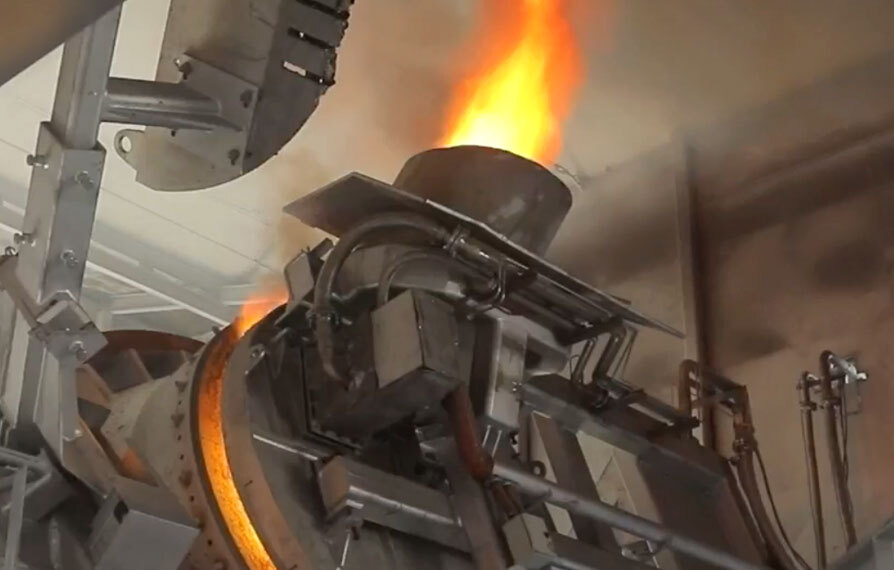
    The Aluminz process is powered by a specialized reactor system—a high-efficiency, rotary tilting furnace platform, engineered to efficiently extract recoverable metal from aluminum dross at exceptional yield rates while minimizing salt use, energy consumption, and emissions.

    Built for efficiency

    We’re deploying our innovative technology in a novel way, at a facility designed to reduce cost while also minimizing environmental impact—powered by the sun, heated and cooled by the earth, and located close to our customers to shorten travel.

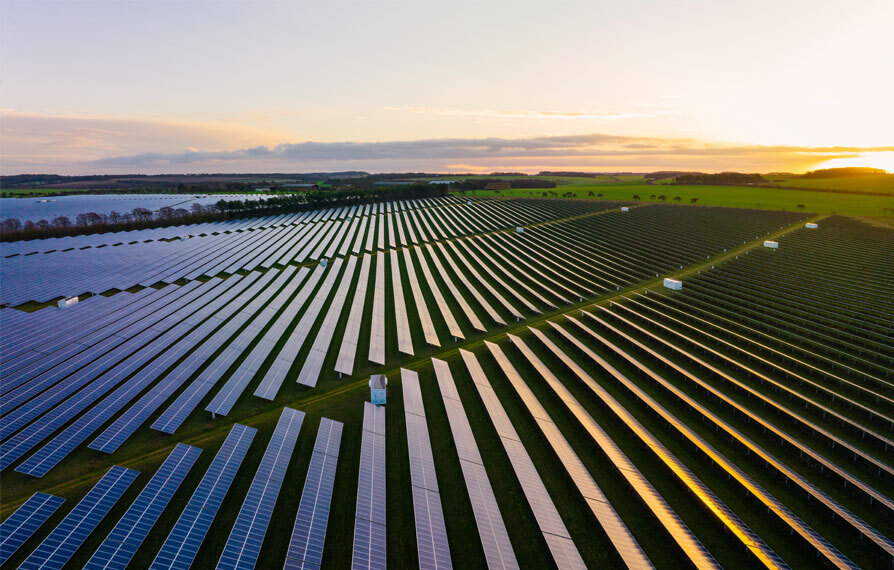
    To fulfill our broader sustainability goals, our plant operates on a 7.5MW solar-powered microgrid. This power plant enables us to electrify mobile equipment typically run on diesel and recover flux salts with fewer carbon emissions. The plant is also designed to incorporate geothermal HVAC for additional efficiency. We even use byproducts of our process—hydrogen and biogas—to produce additional electricity and to heat our kiln dryers.

    The 220,000 square-foot plant has a capacity to handle 140,000 metric tons of white and black dross, aluminum salt cake and scrap per year, and is linked to CKPC and Union Pacific rail lines via NETEX rail, as well as Interstate 30.

    We’re also building intelligence into our operations. From transportation, energy production and material flow to thermal optimization, every step is measured and improved using advanced analytics and AI.

    Structured for economic gain

    Current economic incentives intended to reduce environmental impact rely on cost minimization—treating waste as an unavoidable expense. We see things differently: our path forward rewrites the rules by using waste as valuable raw material—a source of economic benefit for our customers.

    We deliver sustained value in three ways: 

    Valorization

    The costs associated with waste disposal at large scale can be considerable. By converting waste products into useful materials that can be used or sold, we do more than offset those costs.  

    Cost and risk reduction

    By processing waste through our facility, aluminum suppliers eliminate landfill costs and the potential liability of long-term environmental impact. Using the low-carbon aluminum we produce also reduces the need to purchase carbon offset credits. Both of these represent expenses with no tangible return. 

    Unique business model

    Our customers pay only for processing. They retain full ownership of the aluminum we recover, and eliminate their environmental liability.

    It’s a win-win-win that delivers on the promise of a truly circular economy: Aluminz operates in an economically viable way, aluminum suppliers see a net economic benefit, and environmental goals are met, all at the same time.

  • Total recycling

    Total recovery.
    Zero landfill.

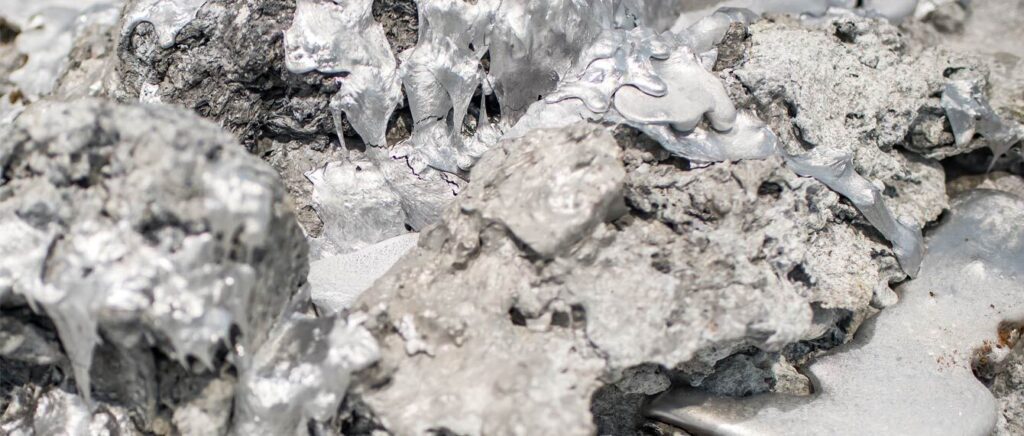
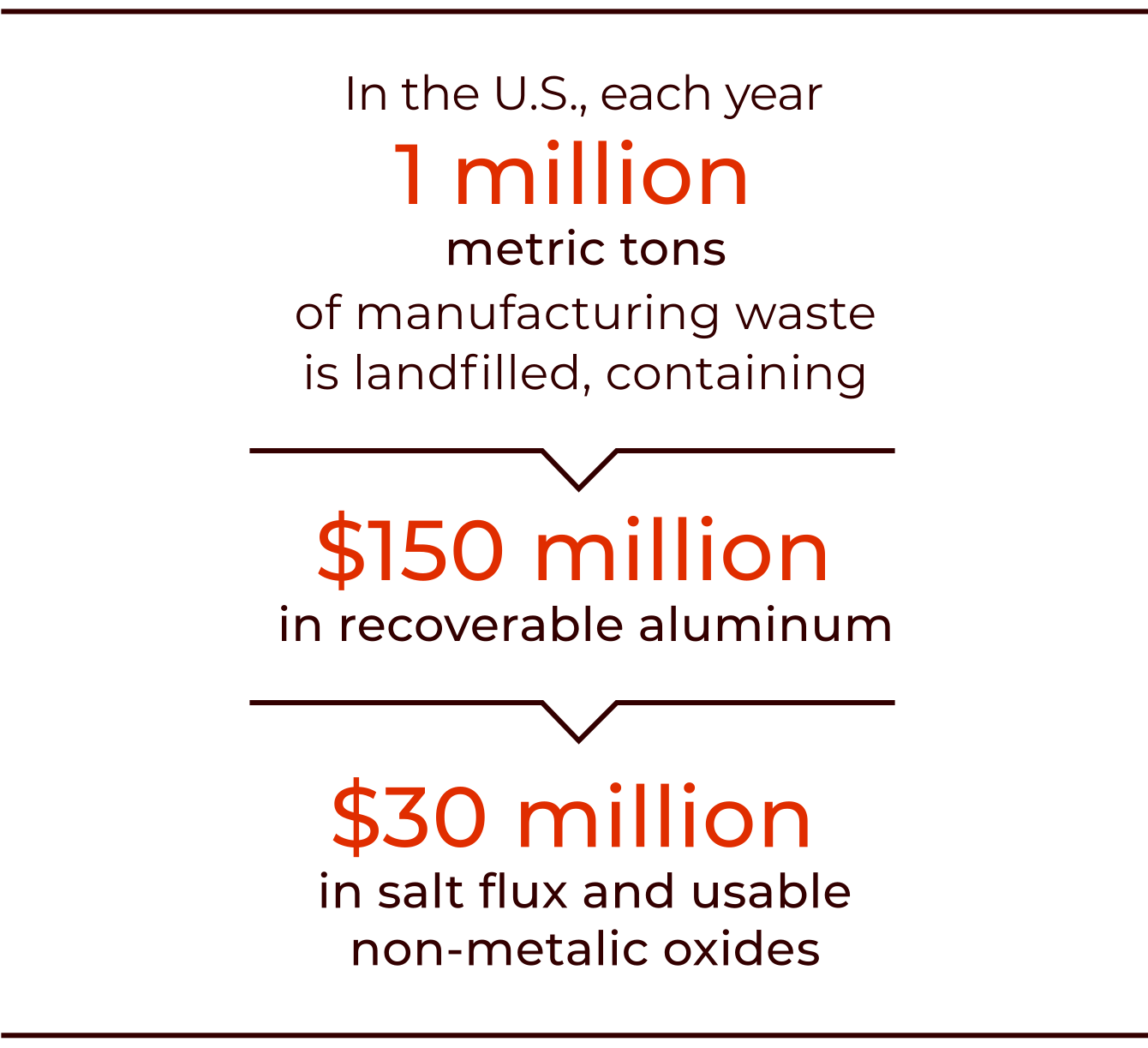
    Our proprietary zero-landfill process converts aluminum dross into salt cake, which is valorized to produce useful material. The result: better aluminum recovery for our customers as well as minerals and oxides that can be re-used and upcycled.

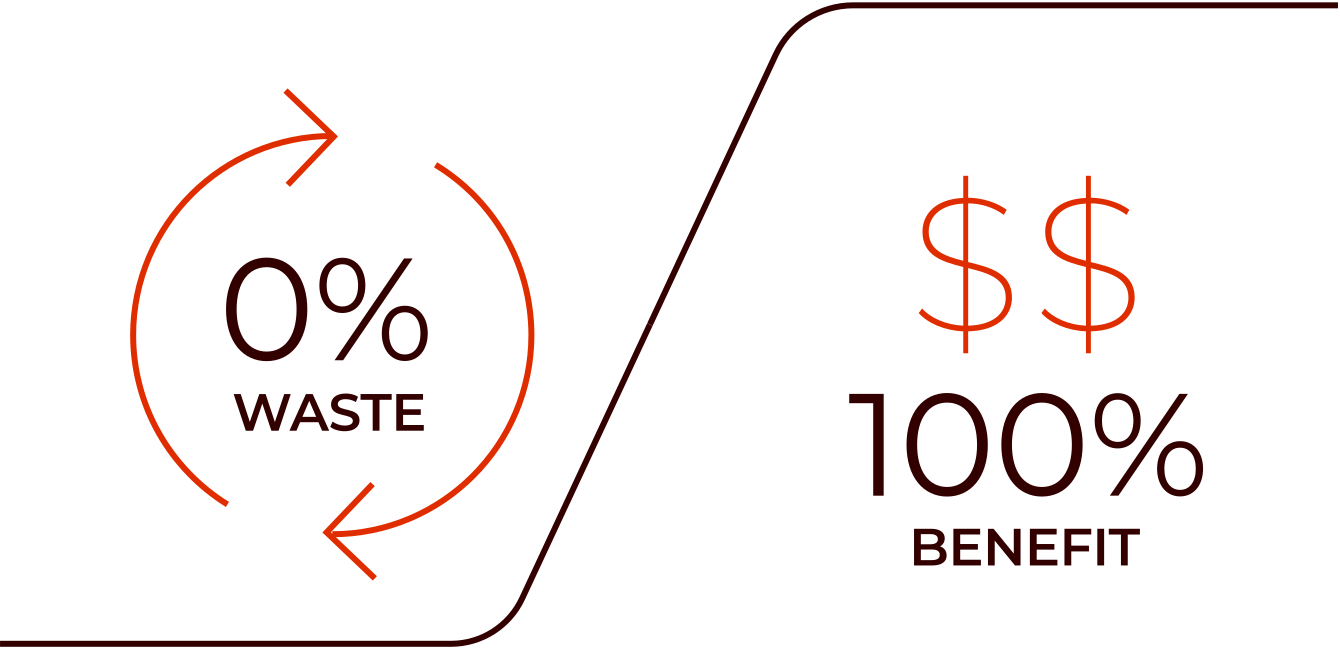
    Everything produced by our facility is useful, turning manufacturing byproducts into valuable material, cost into economic gain, and liability into sustainability leadership. 0% waste, 100% benefit.

    "0% waste" inside a circle of arrows, a line that is going up, then under some $$ "100% benefit"

    Inputs

    Salt cake converted from dross

    This byproduct of aluminum production is our primary input and delivers the greatest economic and environmental benefit. The salt cake contains valuable metal, salts, and minerals that can be recovered, reused and upcycled.

    Aluminum shavings, turnings, and chips

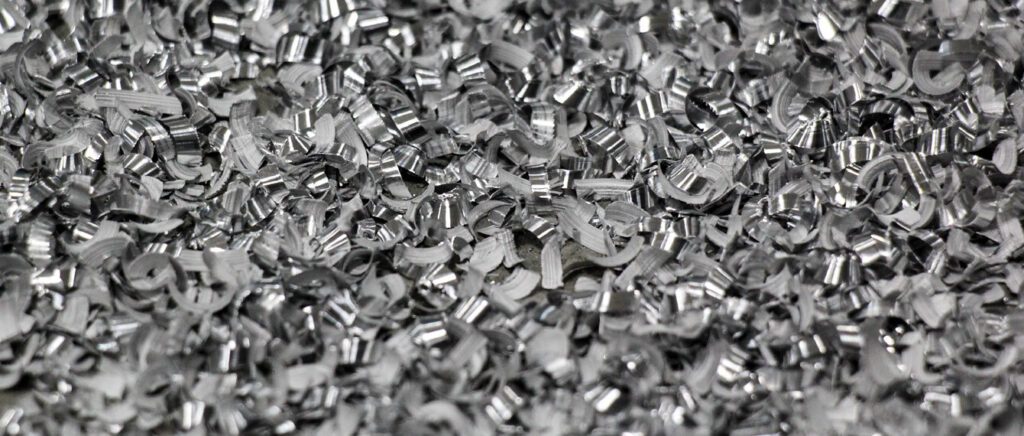
    Generated during machining, milling, and fabrication, aluminum shavings, turnings, and chips are often seen as low-value scrap. Our process efficiently handles this material—even difficult-to-recycle painted, anodized and oily metal.

    Outputs

    Aluminum

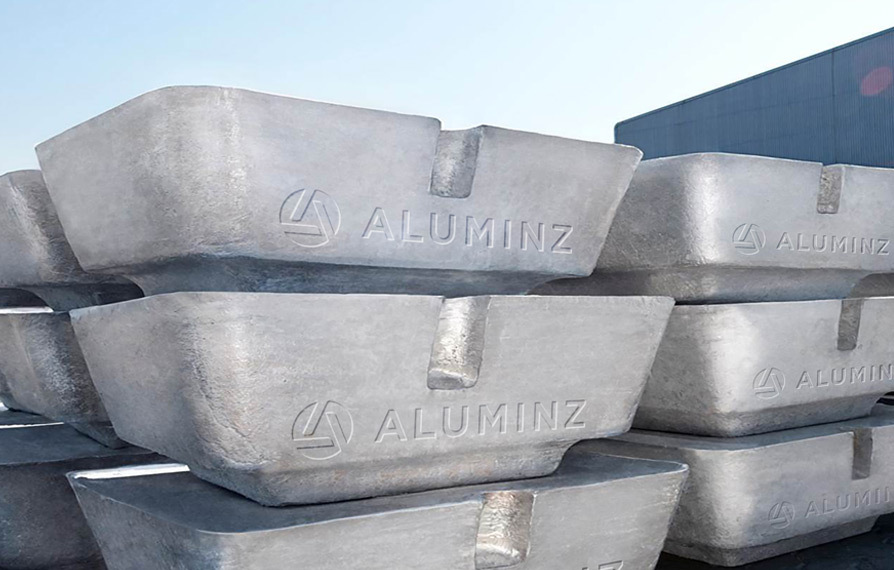
    The last—and typically lost—high-value aluminum locked away in salt cake is the principal output of our process, which preserves its strength, integrity, and circular potential.

    Salt flux and oxides

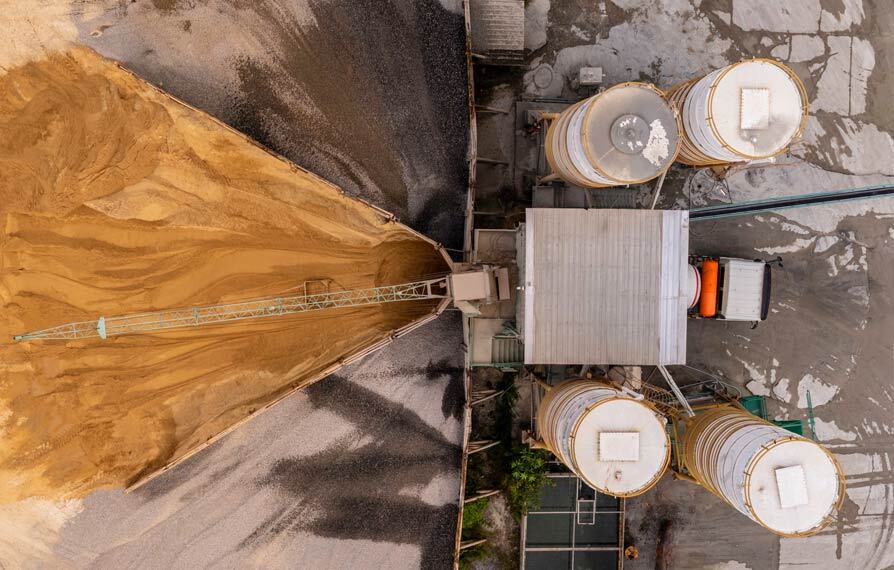
    What remains when metal has been extracted has value of its own, and can be used for a variety of purposes. Salt flux is useful in aluminum production and will circle back to our aluminum cast house for reuse, while oxides can be sold to cement producers or used in other industries as a valuable input.

    Hydrogen and biogas

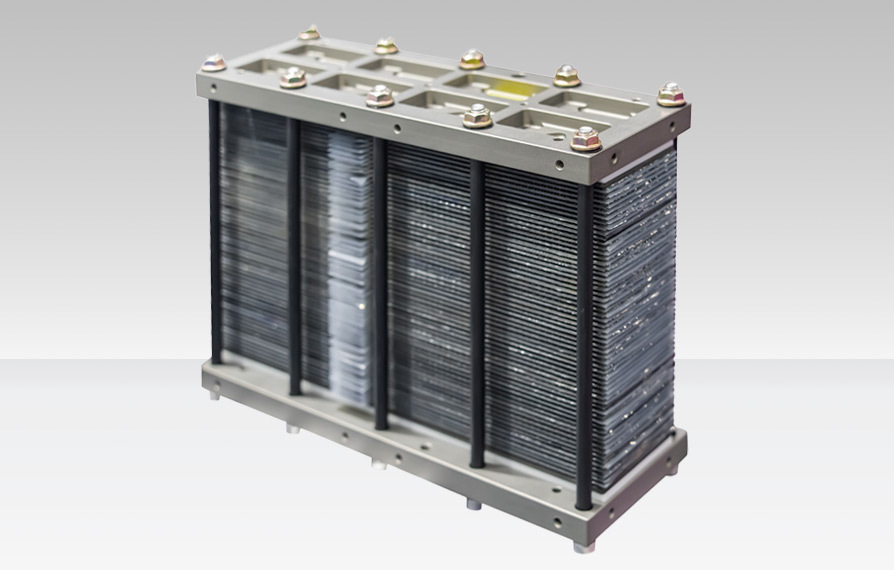
    These gases are byproducts of our process. The hydrogen is captured and used in a fuel cell that provides part of the electricity for our plant, while the biogas—produced during the final stage of non-metallic oxide processing—is fed into a boiler that produces heat for our kiln dryers.